Introduction to the History of Kids Toys
Toys have been an integral part of childhood for thousands of years, reflecting the culture, technology, and values of their time. From simple, handcrafted items made of wood and clay to today’s sophisticated smart toys, the evolution of kids toys tells a rich story of innovation and creativity. Understanding this journey not only highlights how playtime has transformed but also underscores the continuous role toys play in childhood development and learning.
Characteristics of Traditional Kids Toys
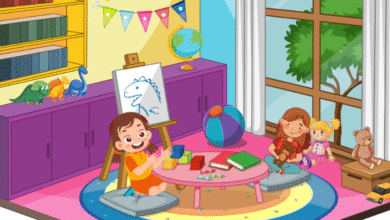
Traditional toys are often treasured for their simplicity, durability, and timeless appeal. Typically made by hand or through early manufacturing processes, these toys used natural materials such as wood, cloth, and metal. Traditional toys often encourage imaginative play and problem-solving, nurturing creativity without the distraction of digital screens.
See also: The Ultimate Guide to Choosing Safe and Educational Toys for Kids
Examples of Popular Traditional Toys
- Wooden blocks and dolls: Encouraged open-ended play and fine motor skills.
- Spinning tops and marbles: Simple mechanics and competition fostered hand-eye coordination.
- Board games and puzzles: Promoted social interaction and critical thinking.
The Impact of Industrialization on Toy Manufacturing
The industrial revolution marked a turning point in toy production. Mass manufacturing techniques introduced plastic toys, making toys more affordable and accessible. This shift allowed a broader range of children to experience play, changing the toy landscape forever. Factories churned out toys with consistent quality, but the charm of handmade uniqueness began to fade.
Transition to Electronic and Battery-Powered Toys
By the mid-20th century, the toy industry saw the introduction of battery-operated toys. These toys added motion, sound, and lights, creating a new level of engagement. Remote-controlled cars and interactive dolls captured children’s imaginations and introduced early electronic play.
Notable High-Tech Toys from the 20th Century
- Tamagotchi: A digital pet that taught responsibility and care.
- Video game consoles: Revolutionized play by introducing immersive, interactive environments.
The Digital Revolution and Smart Toys
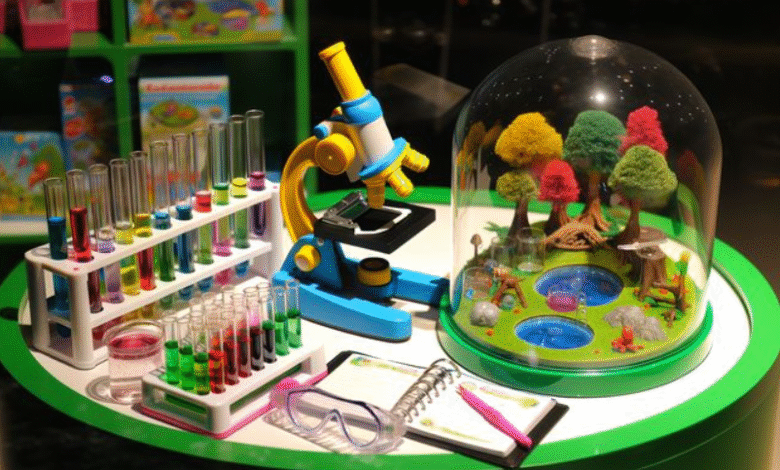
The advent of artificial intelligence (AI), sensors, and wireless technology fueled the development of smart toys. These toys can respond to children’s actions, adapt to learning styles, and even connect to mobile devices and the internet. Smart toys combine entertainment with education, making playtime more dynamic.
Examples of High-Tech Toys Today
- Robotics and programmable kits: Teach coding and engineering concepts.
- Augmented reality (AR) and virtual reality (VR) toys: Create immersive, interactive experiences that blend digital and physical worlds.
Benefits of High-Tech Toys
High-tech toys offer numerous benefits that can enhance a child’s development. They promote STEM (science, technology, engineering, and math) learning through hands-on engagement. By fostering creativity and problem-solving skills, these toys prepare children for a tech-driven future. Moreover, interactive toys can be personalized to suit individual learning needs.
Challenges and Concerns with Modern High-Tech Toys
Despite their advantages, high-tech toys come with challenges. Excessive screen time may impact children’s physical activity and social skills. Privacy concerns arise as many smart toys collect data, raising questions about security. Additionally, the cost of advanced toys can be prohibitive for some families, creating disparities in access.
How Parents and Educators Choose Between Traditional and High-Tech Toys
Choosing the right toys often means striking a balance. Parents and educators consider educational value, entertainment, safety, and the amount of screen time involved. Traditional toys remain important for tactile learning and imagination, while high-tech toys can offer interactive, customized learning experiences.
The Role of Sustainability in the Evolution of Toys
In recent years, sustainability has become a significant factor in toy production. Eco-friendly materials, such as bamboo and recycled plastics, are increasingly popular. Both traditional and modern toys are being designed with longevity and recyclability in mind, reflecting growing environmental awareness.
The Future of Kids Toys: Trends to Watch
Looking ahead, the toy industry is poised for exciting advancements:
- AI will become more sophisticated, enabling toys to better understand and respond to children.
- The Internet of Things (IoT) will connect toys to broader digital ecosystems.
- Customizable toys will adapt to children’s evolving preferences and developmental stages.
Frequently Asked Questions (FAQs)
Q1: What are traditional toys?
Traditional toys are classic playthings often made from natural materials and designed to encourage imaginative and physical play without electronic components.
Q2: How do high-tech toys benefit children?
High-tech toys promote STEM learning, creativity, and personalized education by using interactive technology and sensors.
Q3: Are smart toys safe for kids?
When properly designed and monitored, smart toys can be safe, but parents should be aware of privacy policies and screen time recommendations.
Q4: How can parents balance toy choices?
Balancing traditional and high-tech toys ensures children benefit from tactile play and digital learning while limiting excessive screen exposure.
Q5: What role does sustainability play in toys?
Sustainability drives the use of eco-friendly materials and recycling, helping reduce environmental impact in toy production.
Q6: What trends will shape future toys?
Future toys will feature enhanced AI, connectivity through IoT, and greater customization for individualized play experiences.
Conclusion: Embracing Both Tradition and Innovation in Kids Toys
The evolution of kids toys from traditional to high-tech reflects broader changes in society, technology, and education. Both types of toys hold unique value, fostering different skills and experiences. By embracing this blend of old and new, parents and educators can enrich children’s playtime and development, preparing them for a future where creativity and technology go hand in hand.