Choosing the right toys for your child is more than just picking something fun off the shelf. It’s about ensuring the toys are safe, age-appropriate, and promote healthy development. With countless options available, knowing how to select toys that are both educational and safe can feel overwhelming. This ultimate guide will help you navigate the process with confidence, focusing on safety standards, educational value, materials, and how to encourage meaningful play.
Why Choosing the Right Toys Matters for Kids
Toys are far more than simple playthings; they are essential tools in a child’s growth. The right toys contribute to a child’s cognitive, emotional, social, and physical development.
Impact of Toys on Child Development
Educational toys stimulate creativity, critical thinking, and problem-solving skills. For example, puzzles enhance spatial awareness, while building blocks encourage fine motor skills and logical thinking. Toys that promote imaginative play help develop social skills and emotional intelligence.
See also: bachaparty
Safety Concerns in Toy Selection
Unfortunately, not all toys are created equal in terms of safety. Toys with small parts or toxic materials can pose choking hazards or lead to harmful exposure. Ensuring the safety of toys helps protect children from accidents and health risks.
Understanding Safety Standards for Kids’ Toys
Safety standards are established worldwide to protect children from dangerous toys. Familiarizing yourself with these standards is the first step in choosing safe toys.
Key Safety Certifications to Look For
Certain certifications indicate a toy has passed rigorous safety testing.
ASTM F963 and EN71 Standards
In the United States, the ASTM F963 standard governs toy safety, while Europe uses EN71. These ensure toys are tested for choking hazards, toxicity, and mechanical risks.
CPSIA and Other Regional Regulations
The Consumer Product Safety Improvement Act (CPSIA) requires testing for lead and phthalates. Other regions have similar regulations that guarantee the safety of toys in their markets.
How to Identify Unsafe Toys
Beware of toys with:
- Small detachable parts for young children
- Poor craftsmanship or sharp edges
- Lack of age recommendations
- Unclear or missing safety labels
What Makes a Toy Educational?
Educational toys go beyond entertainment; they actively foster learning and development.
Types of Educational Toys
STEM Toys
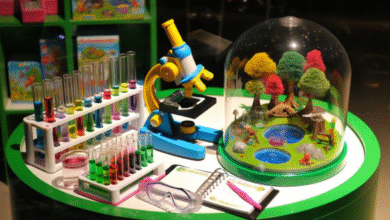
STEM (Science, Technology, Engineering, and Math) toys develop critical thinking and problem-solving. Examples include building kits, coding games, and science experiment kits.
Creative and Imaginative Play Toys
Art supplies, dolls, and role-play sets encourage creativity and social skills.
Language and Literacy Toys
Books, alphabet puzzles, and interactive learning tablets support language acquisition and reading skills.
How Educational Toys Aid Learning and Development
These toys engage different learning styles, reinforce academic concepts, and improve cognitive and motor skills.
Age-Appropriateness: Matching Toys to Your Child’s Development
Choosing toys suited to your child’s age and abilities is crucial.
Understanding Age Labels and Recommendations
Manufacturers provide age recommendations to guide safe play and developmentally suitable challenges.
Toys for Different Developmental Stages
- Infants (0-12 months): Soft toys, sensory toys, and teethers
- Toddlers (1-3 years): Stacking blocks, shape sorters, and push toys
- Preschoolers (3-5 years): Puzzles, pretend play sets, and beginner STEM kits
- School Age (6+ years): Complex building sets, educational games, and science kits
Materials Matter: Choosing Safe and Non-Toxic Toy Materials
The materials used in toys can significantly impact safety and health.
Common Safe Materials in Toys
Wood, BPA-free plastics, natural fabrics, and non-toxic paints are preferable.
Avoiding Toxic Substances like BPA, Phthalates, and Lead
Always check for certifications and read labels to avoid these harmful chemicals known to cause developmental issues.
Top Tips for Evaluating Toy Safety
Checking for Small Parts and Choking Hazards
Ensure small parts cannot be detached by young children, especially under age three.
Inspecting for Sharp Edges and Durability
Good toys should be sturdy and free from rough edges that can injure a child.
Considering the Cleaning and Maintenance of Toys
Choose toys that can be easily cleaned to maintain hygiene and longevity.
Eco-Friendly and Sustainable Toys: Safe Choices for Kids and Planet
More parents are choosing eco-friendly toys that are safe for children and the environment.
Benefits of Eco-Friendly Toys
These toys reduce exposure to harmful chemicals and support environmental sustainability.
Popular Eco-Friendly Toy Brands
Brands like PlanToys, Green Toys, and Hape specialize in sustainable, safe toys.
How to Encourage Educational Play at Home
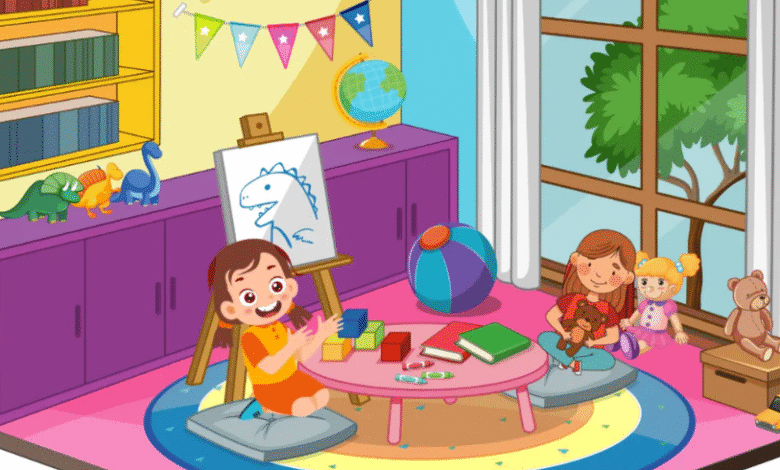
Creating a Safe and Stimulating Play Environment
Organize toys by type and age, ensuring easy access to encourage independent play.
Balancing Screen Time and Hands-On Toy Play
Limit screen exposure by promoting physical and imaginative toy play for balanced development.
Frequently Asked Questions About Safe and Educational Toys
How can I ensure a toy is safe for my toddler?
Look for age recommendations, safety certifications, and avoid toys with small parts or toxic materials.
Are educational toys really effective for child learning?
Yes, they promote skills such as problem-solving, creativity, and language development.
What age should I start buying educational toys?
Educational toys can be introduced as early as infancy with sensory and developmental toys.
How often should I check toys for safety issues?
Regularly inspect toys for wear, broken parts, or choking hazards.
Can secondhand toys be safe and educational?
Yes, if they meet safety standards, are clean, and in good condition.
What are some affordable educational toy options?
Building blocks, puzzles, books, and DIY craft kits are budget-friendly and educational.
Conclusion: Making Informed Choices for Your Child’s Toys
Choosing safe and educational toys is a critical part of nurturing your child’s growth. By understanding safety standards, prioritizing educational value, and selecting age-appropriate, non-toxic materials, you set the stage for a joyful, healthy, and enriching playtime. Remember, the best toys inspire creativity, encourage learning, and above all, keep your child safe.